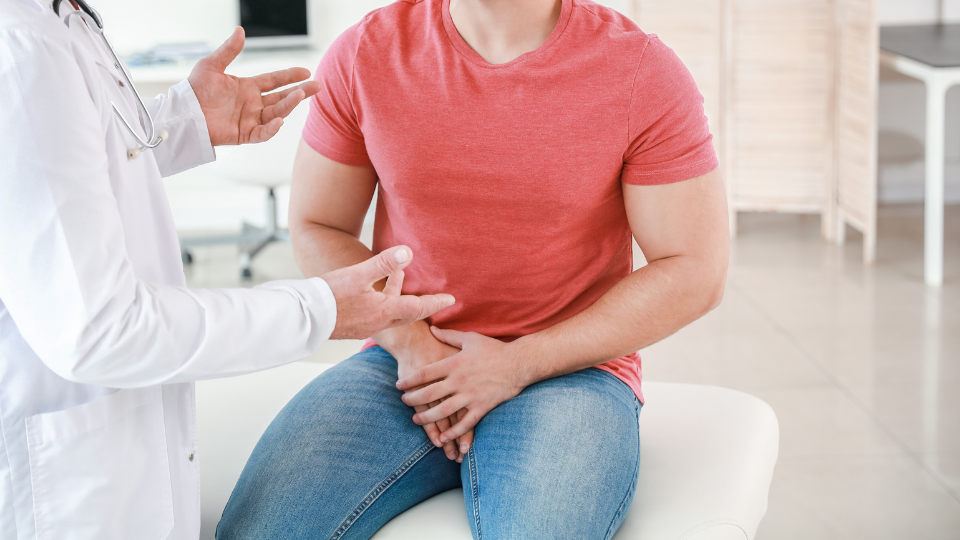
Are you experiencing discomfort or pain in one or both testicles?
Testicular pain can range from a mild ache to severe discomfort and may signal a range of conditions, from minor injuries to serious medical issues.
At Harley Street Andrology, we provide expert diagnosis and personalised treatment to address testicular pain, helping men in London, the UK, and beyond restore their comfort and confidence.
In this blog, we’ll explain what testicular pain is, its potential causes, and why Harley Street Andrology is your trusted choice for comprehensive care.
What is Testicular Pain?
Testicular pain affects the testicles, which are the small, egg-shaped reproductive organs housed in the scrotum, a thin pouch of skin behind the penis. Pain can occur in one or both testicles and may originate from the testicles themselves or be referred from other areas, such as the groin or abdomen.
- Types of pain:
- Acute: Sudden, sharp pain that develops quickly and lasts briefly.
- Chronic: Gradual pain that persists over a long period.
- Impact: The testicles are highly sensitive due to their nerve density, so pain can feel severe and affect daily activities or emotional well-being.
Testicular pain is not normal and, if it lasts more than an hour or is accompanied by symptoms like swelling or nausea, requires urgent medical attention. At Harley Street Andrology, we prioritise rapid diagnosis and effective treatment to address your concerns.
Common Symptoms and Causes of Testicular Pain
Testicular pain can present with various symptoms, depending on the cause. Common signs include:
- Pain or discomfort: A dull ache or sharp pain in one or both testicles or the scrotum.
- Swelling or lumps: The scrotum may appear swollen, discolored (red, purple, or black), or shiny.
- Nausea and vomiting: Often linked to severe conditions like testicular torsion or kidney stones.
- Fever: May indicate an infection.
- Urinary issues: Frequent urination, burning while peeing, or blood in urine, often associated with kidney stones.
Possible causes of testicular pain include:
- Injury: Trauma from sports, exercise, or accidents can cause temporary pain.
- Orchitis: Inflammation of one or both testicles due to bacterial or viral infections, such as mumps in children.
- Epididymitis: Inflammation of the epididymis (tubes carrying sperm), causing swelling and warmth.
- Spermatocele: A non-cancerous, fluid-filled cyst in the epididymis, which may become uncomfortable if large.
- Hydrocele: Fluid buildup around the testicles, common in babies but possible in adults.
- Hematocele: Blood collection around the testicles, often post-injury.
- Varicocele: Enlarged scrotal veins that may ache, improving when lying down.
- Testicular torsion: A medical emergency where the spermatic cord twists, cutting off blood flow and causing sudden, severe pain.
- Kidney stones: Can cause referred pain to the testicles, groin, or back.
- Post-vasectomy pain: Pressure in the vas deferens or epididymis after a vasectomy.
- Testicular cancer: A rare cause, often presenting as a dull ache or lump, most common in men aged 15–35.
- Sexually transmitted infections (STIs): Conditions like gonorrhea, syphilis, or chlamydia can cause testicular pain or swelling.
If you’re experiencing these symptoms, our team at Harley Street Andrology offers expert evaluation to identify the cause and provide effective solutions.
Why Choose Harley Street Andrology?
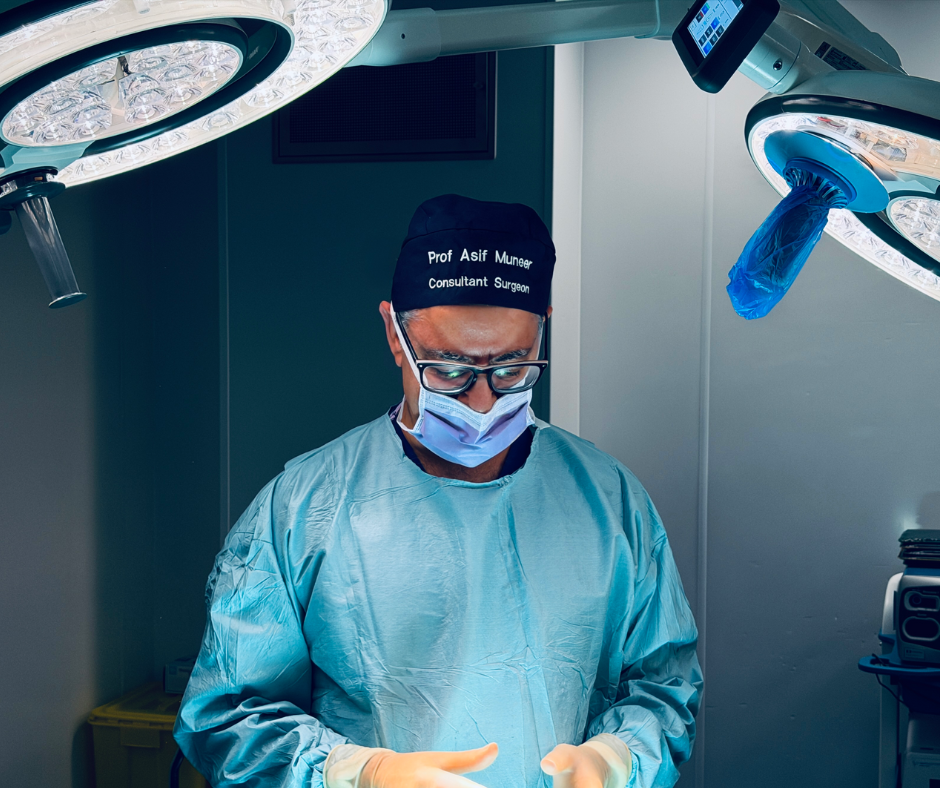
Professor Asif Muneer is an award-winning, internationally recognised andrologist with 30+ years of experience.
- Advanced Technology — Cutting-edge diagnostics and treatments
- Comprehensive Care — Personalised support from start to finish
- Holistic Approach — Focused on long-term men’s health and well-being
Why Seek Treatment for Testicular Pain?
Persistent or severe testicular pain can signal serious conditions that require prompt treatment. Left unaddressed, it may lead to:
- Worsening symptoms: Pain may intensify or spread, affecting your quality of life.
- Complications: Conditions like testicular torsion can lead to permanent damage if not treated urgently.
- Emotional distress: Ongoing discomfort can impact confidence and mental health.
Seeking timely care is crucial, especially if pain lasts over an hour, worsens, or includes swelling, nausea, or fever. At Harley Street Andrology, we focus on accurate diagnosis and tailored treatments to relieve pain and address underlying issues.
Advanced Diagnosis and Treatment
At Harley Street Andrology, we use a comprehensive approach to diagnose and treat testicular pain, ensuring you receive the best care for your condition.
Diagnosis
- Consultation: We review your medical history, asking about pain onset, duration, location, and activities that worsen or relieve it.
- Physical Exam: Your testicles are examined while standing and lying down to assess for swelling, lumps, or tenderness.
- Tests:
- Blood test: To rule out infections.
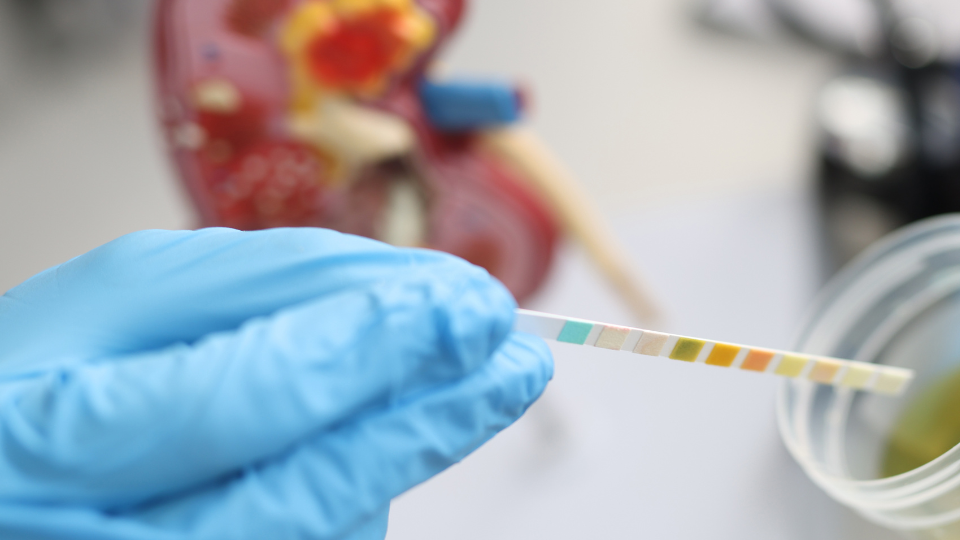
- Urinalysis: To check for infections or kidney stones.
- Ultrasound: To detect abnormalities like cancer, varicoceles, cysts.
Non-Surgical Treatments
For mild or infection-related causes, we may recommend:
- Home remedies: Cold compresses (wrapped in a towel, applied for 15 minutes), elevating the scrotum with a rolled towel, or warm baths.
- Medications:
- Antibiotics: To treat bacterial infections like epididymitis or STIs.
- Anti-inflammatory drugs (NSAIDs): To reduce pain and swelling (consult us before use).
- Tricyclic antidepressants: For chronic nerve-related pain, such as amitriptyline.
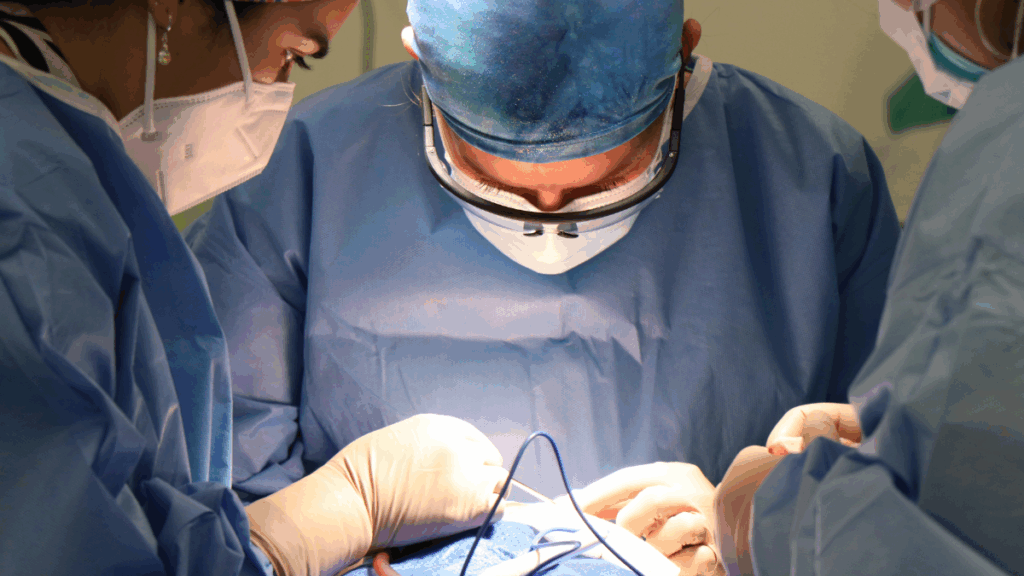
Surgical Treatments
Surgery may be needed for severe or persistent causes, including:
- Testicular exploration and fixation: Emergency surgery to untwist the spermatic cord and restore blood flow, with stitches to prevent recurrence.
- Hernia Repair: Pushes a hernia back into the abdomen and reinforces the abdominal wall.
- Epididymectomy: Removal of the epididymis for chronic pain, used only when other treatments fail.
- Vasectomy Reversal: Rarely needed to relieve post-vasectomy pain.
- Microsurgical Denervation of the Spermatic Cord (MDSC): Microsurgically cuts the nerves in the spermatic cord to relieve chronic pain.
- Orchidectomy: Removal of a testicle for cancer
Risks and Complications
Most treatments are safe, but risks depend on the cause and intervention:
- Infections: Treatable with antibiotics, affecting 4–6% of hospital patients.
- Chronic pain: May persist in rare cases, requiring further management.
- Surgical complications: Include bleeding, infection, or, rarely, fertility issues post-torsion surgery.
Our advanced techniques and meticulous care minimise these risks, ensuring a smooth recovery.
Contact us
Restore your confidence & fertility with London’s leading andrology expert
+44 207 034 8464
Mon–Fri: 09:00–19:00
16 Devonshire St, London W1G 7AF