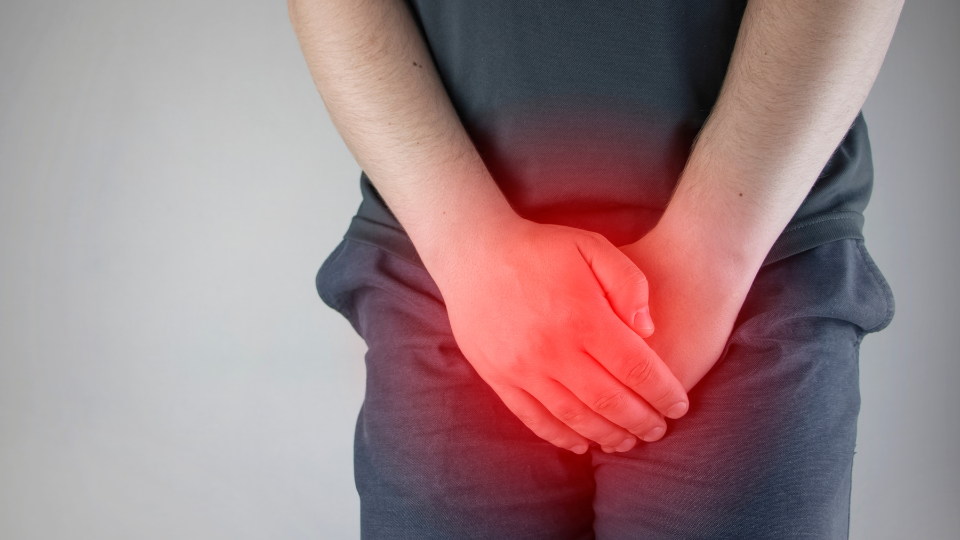
Are you noticing pain, curvature, or shortening of your penis during erections?
These could be signs of Peyronie’s disease, a condition affecting up to 1 in 10 men that can make sexual activity challenging.
At Harley Street Andrology, we provide cutting-edge treatments and compassionate care to help men across London and beyond regain their confidence and quality of life.
In this blog, we’ll explore what Peyronie’s disease is, its symptoms and causes, and why Harley Street Andrology is your trusted partner for expert treatment.
What is Peyronie’s Disease?
Peyronie’s disease affects approximately 1 in 16 men (6%), though it may be as common as 1 in 10 (10%) due to under-reporting. It’s most often seen in middle-aged men but can occur at any age. The condition involves a hard lump (plaque) forming in the erectile tissue of the penis, leading to curvature, shortening, and sometimes pain during erections.
- How it develops: The plaque starts as localized inflammation, which may harden into an inelastic scar. This scar prevents the penis from stretching normally during erections, causing it to bend.
- Phases: It progresses through two stages:
- Acute phase: A painful, inflammatory period lasting up to 12 months, during which curvature may worsen.
- Chronic phase: A stable period, typically starting 6 months after pain subsides, where the curvature remains unchanged.
Peyronie’s isn’t contagious, can’t be passed on through sexual activity, and isn’t cancerous. At Harley Street Andrology, our specialist, Professor Asif Muneer, offers expert diagnosis and tailored solutions to address this common condition.
Common Symptoms and Causes of Peyronie’s Disease
Peyronie’s disease can lead to noticeable changes in the penis, including:
- Penile curvature: The penis may bend upward, downward, or to the side during erections, depending on the plaque’s location.
- Penile shortening: The inelastic scar tissue can reduce length.
- Pain during erections: Common in the acute phase, easing as the condition stabilises.
- Erectile dysfunction (impotence): Reduced blood flow or emotional distress from the condition may affect performance.
- Difficulty with intercourse: Severe curvature or pain can limit sexual activity.
While the exact cause is often unknown, several factors may contribute:
- Injury: Trauma, such as abnormal squeezing or bending, can damage the penis’s elastic fibres, leading to scarring, especially in older men with reduced elasticity.
- Health conditions: Links exist with high blood pressure, diabetes, raised cholesterol, heart disease, and arteriosclerosis.
- Genetics: A family history of Peyronie’s or related conditions like Dupuytren’s contracture (hand scarring) increases risk.
- Medications: Certain drugs (e.g., beta-blockers, antidepressants) are associated with the condition.
If these symptoms or risk factors resonate with you, our team at Harley Street Andrology is here to help.
Why Choose Harley Street Andrology?
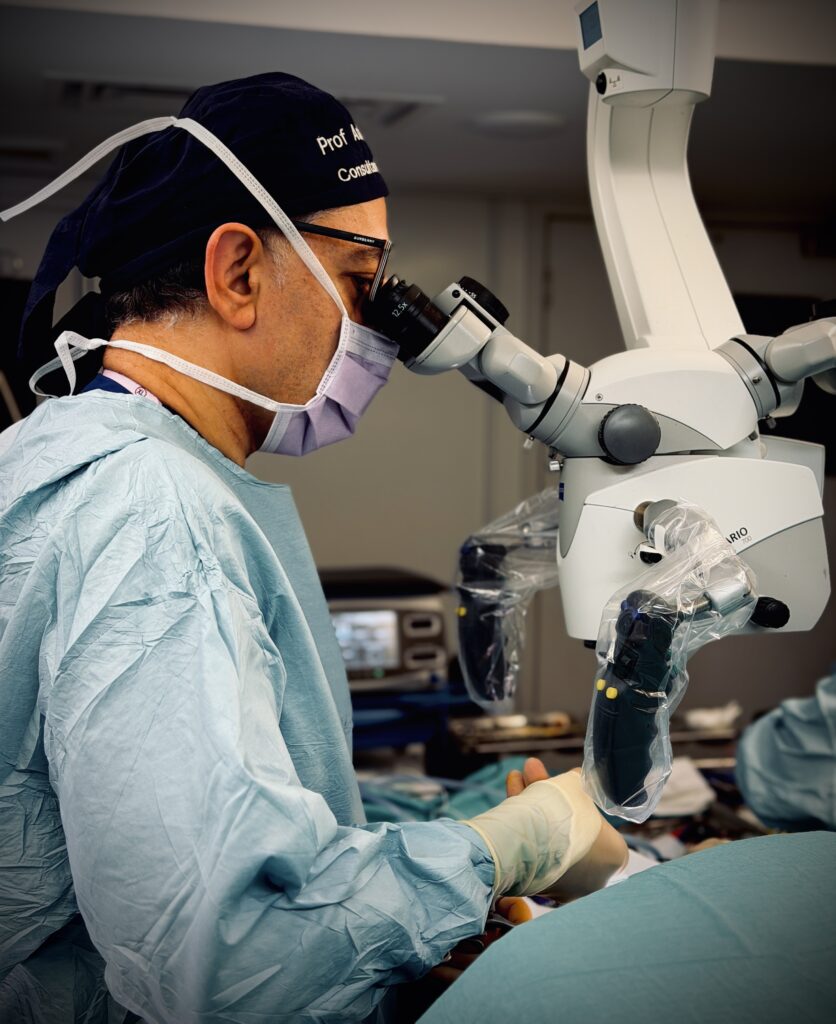
Professor Asif Muneer is an award-winning, internationally recognised andrologist with 30+ years of experience.
- Advanced Technology — Cutting-edge diagnostics and treatments
- Comprehensive Care — Personalised support from start to finish
- Holistic Approach — Focused on long-term men’s health and well-being
Why Seek Treatment for Peyronie’s Disease?
We know Peyronie’s disease can affect more than just physical health; it can take a toll on your emotional well-being and relationships. Without treatment, you might face:
- Persistent pain: Especially during the acute phase.
- Worsening curvature: Making sexual intercourse uncomfortable or impossible.
- Loss of confidence: Changes in penile shape and function can impact self-esteem.
Seeking treatment is vital if the condition disrupts your ability to enjoy a healthy sex life. At Harley Street Andrology, we offer effective options to reduce discomfort, improve curvature, and enhance function, helping you reclaim your quality of life.
Advanced Treatment Options of Peyronie’s Disease in London
While no treatment fully reverses Peyronie’s disease, we provide a range of options to significantly improve symptoms. Our treatments are tailored to the phase and severity of your condition.
Non-Surgical Treatments
- Acute Phase:
- Oral Medications: Oral medications such as vitamin E and potassium para-aminobenzoate (Potaba®) are unlikely to help. Medications such as sildenafil and tadalafil can improve erections in the acute phase, often all that’s needed for some patients.
- Traction Devices: Vacuum erection devices (used twice daily for 10 minutes) or penile extenders (used 30 minutes daily) over 3–6 months can reduce curvature and preserve length.
- Chronic Phase:
- Traction Devices: Continue to be effective for maintaining length and reducing curvature with consistent use.
Surgical Treatments (Chronic Phase)
Surgery is recommended when the penile curvature impacts sexual intercourse. The surgical options include:
- Plication of the Corpora Cavernosa (Nesbit’s Procedure):
- What it is: A small amount of the internal tissue is removed from the longer side of the penis to correct the curvature.
- Best for: Men with good erections and less severe curvature (under 60 degrees).
- Considerations: Causes penile shortening but has a lower risk of erectile dysfunction.
- Plaque Incision and Grafting:
- What it is: The plaque is cut to release the tension in the Peyronie’s plaque, and a graft is sutured into the gap.
- Best for: Men with severe curvature (over 60 degrees) and good erections.
- Considerations: Less shortening but a higher risk of erectile dysfunction
- Implantation of a Penile Prosthesis:
- What it is: Penile prostheses ot penile implants provide rigidity and girth enhancement for men with poor erections unresponsive to oral medication or injectables.
- Best for: Patients with severe penile curvature and erectile dysfunction.
- Considerations: Usually straightens the penis and provides a rigid erection.
Professor Muneer will guide you to the best option based on your unique needs.
Risks and Complications
Treatments are safe but carry some risks:
- Shortening: Expected with plication techniques.
- Erectile dysfunction: Higher risk with grafting.
- Infection: Uncommon and manageable.
Our surgical team employs evidence-based techniques to minimise risks and optimise outcomes, with personalised care plans tailored to each patient’s individual circumstances.
Cost of Peyronie’s Disease in London
Peyronie’s Disease costs at private clinics in London typically depend on the procedure and anaesthesia. Contact us for further details.
Contact us
Restore your confidence & fertility with London’s leading andrology expert
+44 207 034 8464
Mon–Fri: 09:00–19:00
16 Devonshire St, London W1G 7AF