Have you noticed blood in your semen? While this can be alarming, haemospermia (blood in the semen) is often caused by benign conditions and typically resolves with minimal intervention.
At Harley Street Andrology, we provide expert diagnostics and reassurance to address haemospermia, helping men in London, the UK, and beyond feel confident and supported.
Led by Professor Asif Muneer, a globally recognised andrologist, our clinic offers world-class care tailored to your needs.
In this blog, we’ll explain what haemospermia is, its causes and symptoms, and why Harley Street Andrology is your trusted choice for effective management.
What is haemospermia?
Haemospermia, or blood in the semen, is a condition where semen appears red, pink, or brown due to the presence of blood. It’s usually caused by low-grade inflammation or infection in the prostate, urethra, or seminal vesicles.
While it can be unsettling, haemospermia is rarely linked to serious conditions and often resolves on its own or with simple treatment.
Key facts about haemospermia:
- It’s most commonly due to benign inflammation or infection.
- It’s unlikely to be caused by sexually transmitted infections (STIs).
- Rarely, it may indicate serious conditions like prostate or testicular cancer.
- Recurrence over time is common but usually harmless.
- It often resolves spontaneously or with antibiotics/anti-inflammatory drugs.
At Harley Street Andrology, we offer thorough evaluations to identify the cause and provide reassurance or treatment as needed.
Common Symptoms and Causes of Haemospermia
The primary symptom of haemospermia is visible blood in the semen, which may appear during ejaculation. Other associated symptoms, if present, can include:
- Pelvic or perineal pain, especially if linked to infection.
- Blood in the urine (haematuria) requires further investigation.
- No other symptoms in many cases, as haemospermia is often isolated.
Possible causes include:
- Low-grade infection or inflammation: Most common, affecting the prostate, urethra, or seminal vesicles.
- Recent urological procedures: Such as cystoscopy, prostate biopsy, vasectomy, or vasectomy reversal.
- Blood disorders: Including sickle cell disease, clotting disorders, or use of blood-thinning medications (e.g., warfarin, aspirin, rivaroxaban) or antiplatelet drugs (e.g., clopidogrel).
- Rare causes: Prostate or testicular cancer, or uncommon infections like tuberculosis or schistosomiasis.
If you notice blood in your semen, particularly with pain, blood in the urine, or if it persists, our expert team at Harley Street Andrology can provide a thorough assessment to determine the cause.
Why Choose Harley Street Andrology?
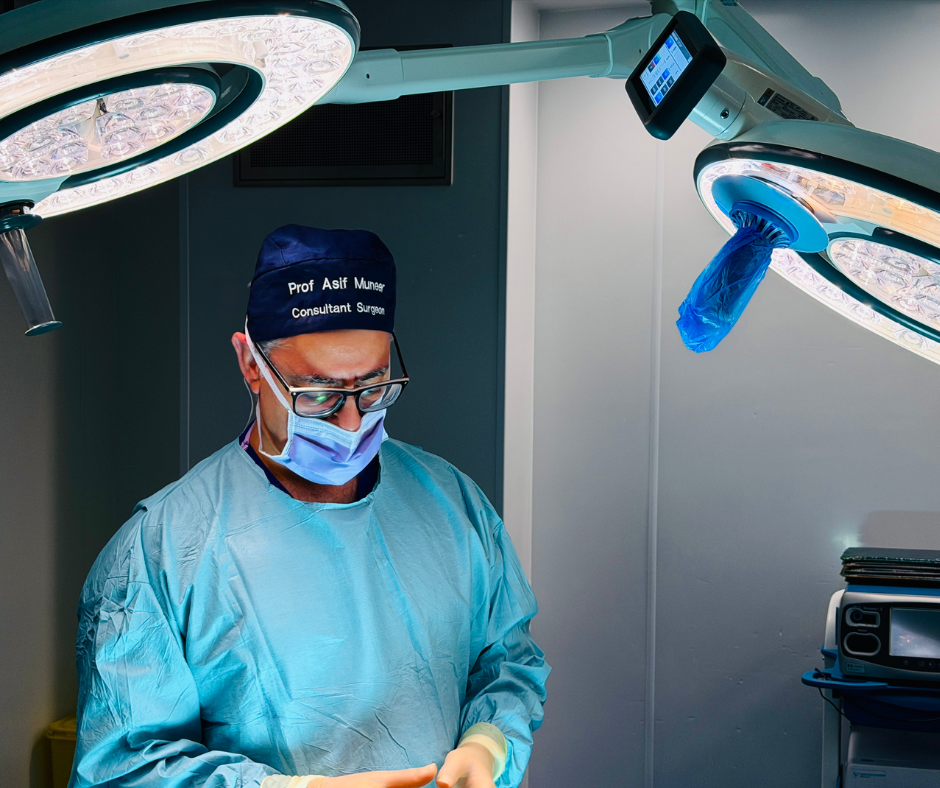
Professor Asif Muneer is an award-winning, internationally recognised andrologist with 30+ years of experience.
- Advanced Technology — Cutting-edge diagnostics and treatments
- Comprehensive Care — Personalised support from start to finish
- Holistic Approach — Focused on long-term men’s health and well-being
Why Seek Treatment for haemospermia?
We offer comprehensive diagnostics and effective management strategies for haemospermia, ensuring you receive the highest standard of care.
Diagnosis
- Consultation: We’ll discuss your symptoms, medical history, recent procedures, medications (especially blood thinners), and lifestyle factors like smoking.
- Physical Exam: Includes a general examination to check for prostatic and testicular causes
- Tests:
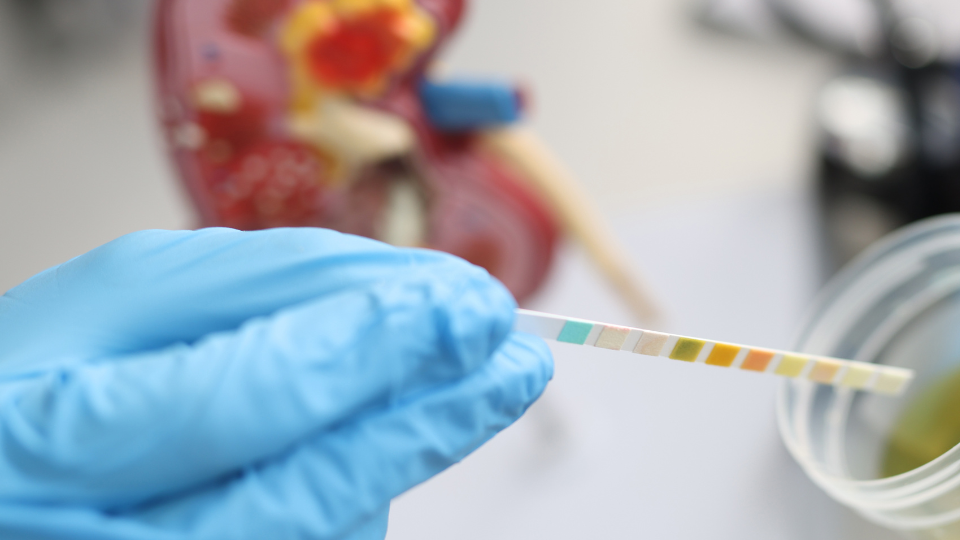
- Urine tests: To check for infection or blood (haematuria), with possible microscopy for cancerous cells.
- Blood tests: To measure kidney function, clotting factors, PSA levels, and check for anaemia.
- Imaging: Ultrasound of the kidneys, bladder, or scrotum, or transrectal ultrasound (TRUS) of the prostate, if indicated.
- Flexible cystoscopy: A telescopic bladder check under local or general anaesthesia, if blood is present in the urine.
Treatment Options
- Observation: Most cases resolve spontaneously without specific treatment.
- Medications: If there is evidence of prostate or seminal vesicle inflammation, then the following medications are used:
- Antibiotics
- Anti-inflammatory drugs
- Ongoing haemospermia can be investigated and treated with advanced imaging and surgical techniques when the underlying cause is established. These include seminal vesiculograms and TURED procedures.
Risks and Considerations
Haemospermia management is low-risk, but considerations include:
- Medication side effects: Antibiotics may cause mild gastrointestinal upset.
- Persistent symptoms: Recurrence is common but usually benign.
- Rare serious causes: Cancer or other conditions may require further investigation, but these are uncommon.
Our advanced diagnostics and expert care minimise uncertainty, providing reassurance and effective management.
Cost of Haemospermia in London
Haemospermia treatment costs at private clinics in London typically depend on the procedure and anaesthesia. Contact us for further details.
Contact us
Restore your confidence & fertility with London’s leading andrology expert
+44 207 034 8464
Mon–Fri: 09:00–19:00
16 Devonshire St, London W1G 7AF