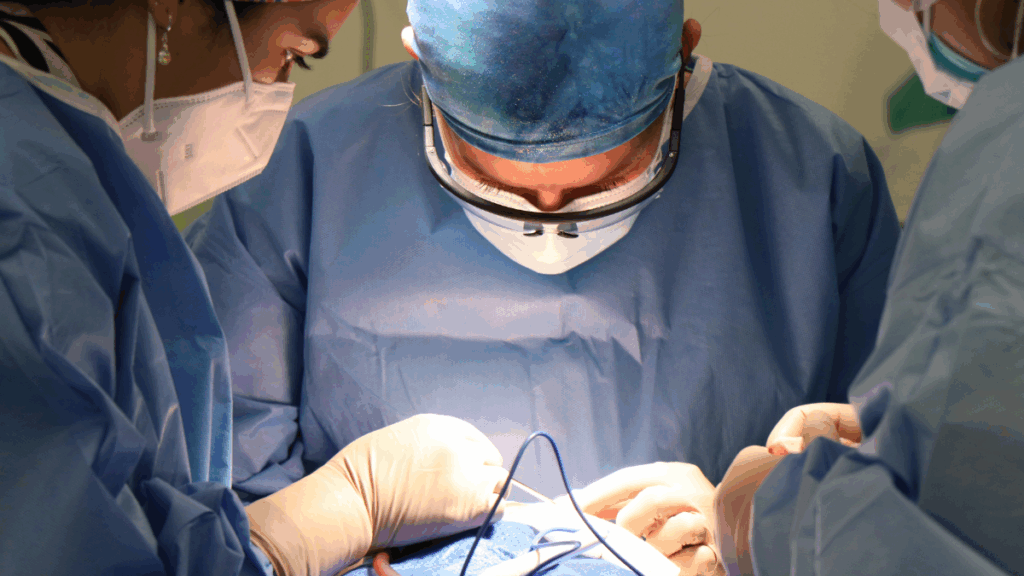
Noticing blood in your urine can be alarming, but prompt action is key. As a leading urology clinic in London,we diagnose and treat haematuria at Harley Street Andrology. This guide explains what haematuria is, its causes, and how our men’s health clinic provides expert care.
What is Haematuria?
Haematuria refers to blood in the urine. It can appear in two forms:
- Visible Haematuria – Urine appears pink, red, or brown
- Non-visible Haematuria – Blood is detected only via a urine test
While sometimes benign, haematuria may indicate serious conditions such as bladder or kidney cancer. That’s why we recommend an urgent investigation.
Common Symptoms of Haematuria
- Red, pink, or brown urine
- Burning or pain during urination
- Frequent urination or urgency
- No symptoms (in cases of non-visible haematuria)
⚠️ If you notice blood in your urine, contact a haematuria specialist immediately.
Causes of Haematuria
Around 50% of visible and 10% of non-visible cases have an identifiable cause. Common causes include:
- Infections – Bladder or kidney infections, treatable with antibiotics
- Cancer – Bladder, kidney, or prostate cancer
- Stones – Kidney or bladder stones causing irritation
- Nephritis – Kidney inflammation, especially in children
- Injury – Trauma to the urinary tract or pelvis
- Blood Disorders – Sickle cell disease, clotting issues
- Mimics – Medications (e.g., rifampicin) or foods (e.g., beetroot)
Why Prompt Treatment Is Crucial
Even a single episode of blood in the urine should not be ignored. Early detection significantly improves outcomes in serious cases such as cancer. Our clinic follows the NHS “2-week wait” fast-track system for urgent care.
Haematuria Treatment Options
1. Diagnostic Tests
- Urine Tests – Detect infection, cancer cells, or proteins
- Blood Tests – Assess kidney function or blood disorders
- Imaging – CT scan, ultrasound, or intravenous urogram (IVU)
- Flexible Cystoscopy – Bladder inspection under local anaesthesia
2. Treatment Based on the Cause
- Other Conditions – Treatment of inflammation, blood disorders, medication changes
- Infections – Antibiotics
- Stones – Medications or endoscopic stone removal and procedures like extracorporeal shock wave lithotripsy
- Cancer – Surgery (e.g., TURBT)
Why Choose Harley Street Andrology?
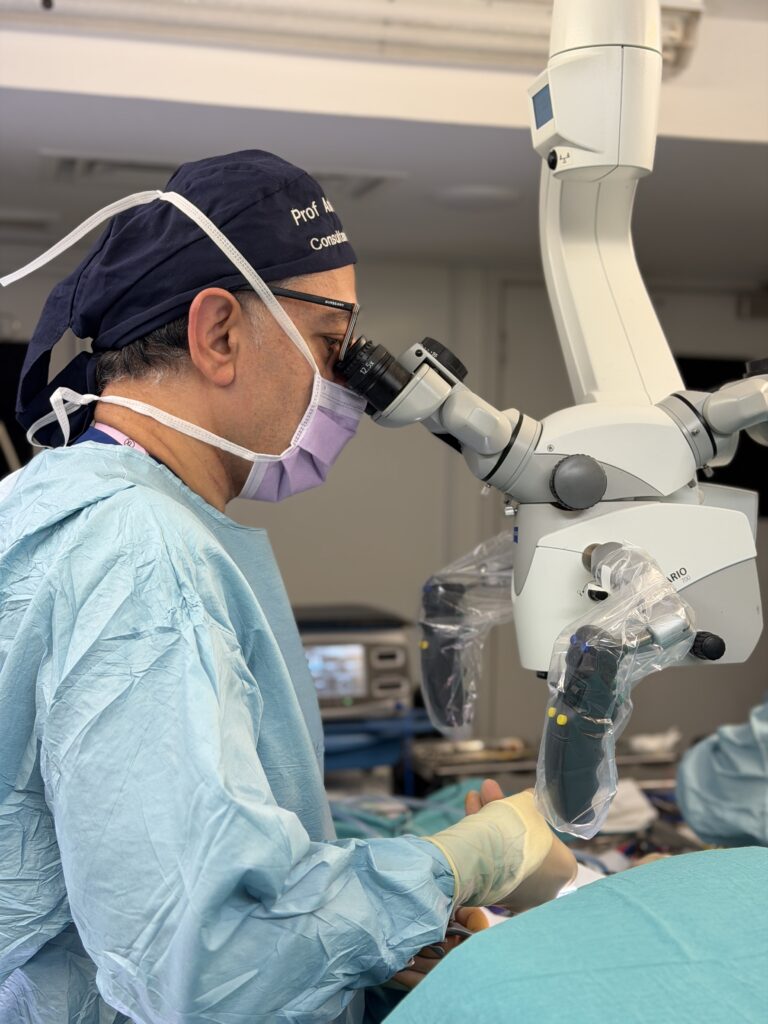
Professor Asif Muneer is an award-winning, internationally recognised andrologist with 30+ years of experience.
- Advanced Technology — Cutting-edge diagnostics and treatments
- Comprehensive Care — Personalised support from start to finish
- Holistic Approach — Focused on long-term men’s health and well-being
What to Expect During Evaluation
- Consultation – Detailed medical history and symptoms
- Physical Exam – May include rectal or vaginal exam
- Tests – Urine and blood tests, imaging
- Cystoscopy – Minimally invasive bladder exam
- Follow-Up – Treatment plan or monitoring guidance
Risks and Next Steps
Diagnostic procedures are generally low-risk. Rare complications include:
- Mild discomfort
- Infection (under 1% with cystoscopy)
If no cause is found, we recommend regular monitoring for:
- Recurrent bleeding
- Protein in urine
- Kidney function changes or raised blood pressure
Cost of Treatment
Haematuria evaluation and treatment in London depend on the tests and procedures required. For a personalised quote, contact Harley Street Andrology.
Contact us
Restore your confidence & fertility with London’s leading andrology expert
+44 207 034 8464
Mon–Fri: 09:00–19:00
16 Devonshire St, London W1G 7AF