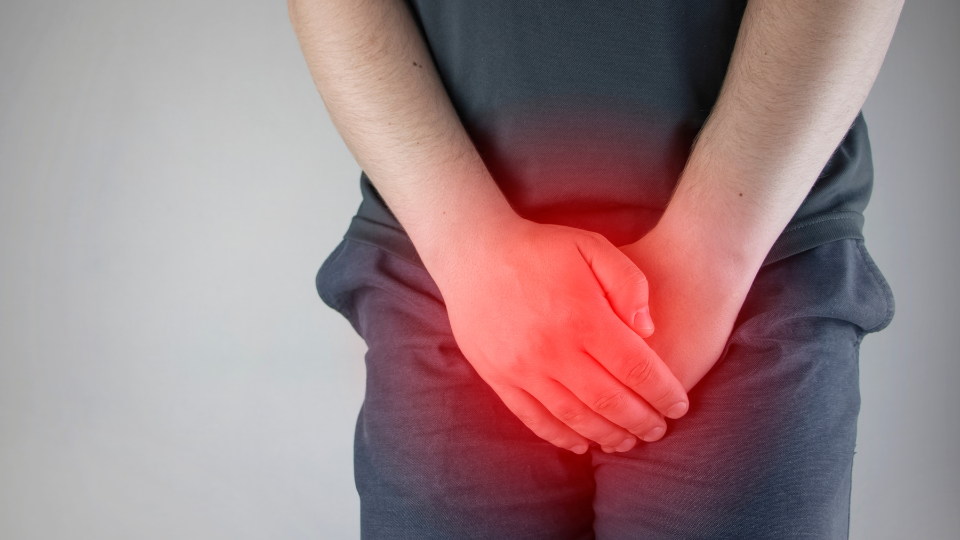
Have you noticed a lump or swelling in your scrotum?
While most testicular lumps are benign,
it’s crucial to seek prompt medical advice to rule out serious conditions like testicular cancer.
At Harley Street Andrology, we provide rapid diagnostics and personalised care to address testicular lumps, offering reassurance and treatment for men in London, the UK, and beyond.
In this blog, we’ll explain what testicular lumps are, their causes, and why Harley Street Andrology is your trusted choice for comprehensive care.
What is a Testicular Lump?
A testicular lump is any swelling or mass within the scrotum, either on the surface of the testicle, within the testicle itself, or in surrounding structures like the epididymis.
Most lumps are benign (non-cancerous), but a lump within the body of the testicle has a 90% chance of being testicular cancer, particularly in men aged 20–50.
Key facts about testicular lumps:
- The majority are benign, such as hydroceles, epididymal cysts, or varicoceles, and only require treatment if symptomatic.
- Testicular cancer is the most common malignancy in men aged 20–50, but early diagnosis leads to a cure rate exceeding 95%, even if it has spread.
- Lumps attached to the testicle’s surface are usually benign, while those within the testicle are more likely cancerous.
- Risk factors include abnormal testicles (e.g., undescended, injured, infected, or atrophic testicles, often seen in infertility).
At Harley Street Andrology, we prioritise urgent evaluation to distinguish benign from cancerous lumps, ensuring timely care.
Common Symptoms and Causes of Testicular Lumps
Testicular lumps may present with or without symptoms. Common signs include:
- A palpable lump or swelling in the scrotum, often found during self-examination.
- Aching or heaviness in the scrotum, especially with benign conditions like hydroceles or varicoceles.
- Cosmetic concerns, such as visible swelling.
- Rarely, pain or discomfort, particularly with inflammatory causes like epididymitis or torsion.
Possible causes include:
- Cystic (fluid-filled) swellings:
- Hydrocele: Fluid around the testicle, often benign.
- Epididymal cyst: A fluid-filled sac in the epididymis (sperm-carrying tubes).
- Varicocele: Varicose veins above the testicle, causing a “bag of worms” sensation.
- Inflammatory swellings:
- Epididymitis: Infection of the epididymis, often sexually acquired or due to urinary infections.
- Testicular torsion: Twisting of the testicle, a medical emergency common in children.
- Orchitis: Testicular infection, sometimes due to mumps.
- Solid swellings:
- Testicular cancer: A lump within the testicle itself, requiring urgent evaluation.
- Sperm granuloma: A nodule post-vasectomy, usually benign.
- Chronic epididymal inflammation: Persistent swelling from prior infections.
- Rare infections: Tuberculosis or syphilis (very uncommon).
- Hernias:
- Groin hernias extending into the scrotum, not originating from the testicle.
If you’ve found a lump, get in touch with our team at Harley Street Andrology for expert assessment to determine the cause and provide appropriate care.
Why Choose Harley Street Andrology?
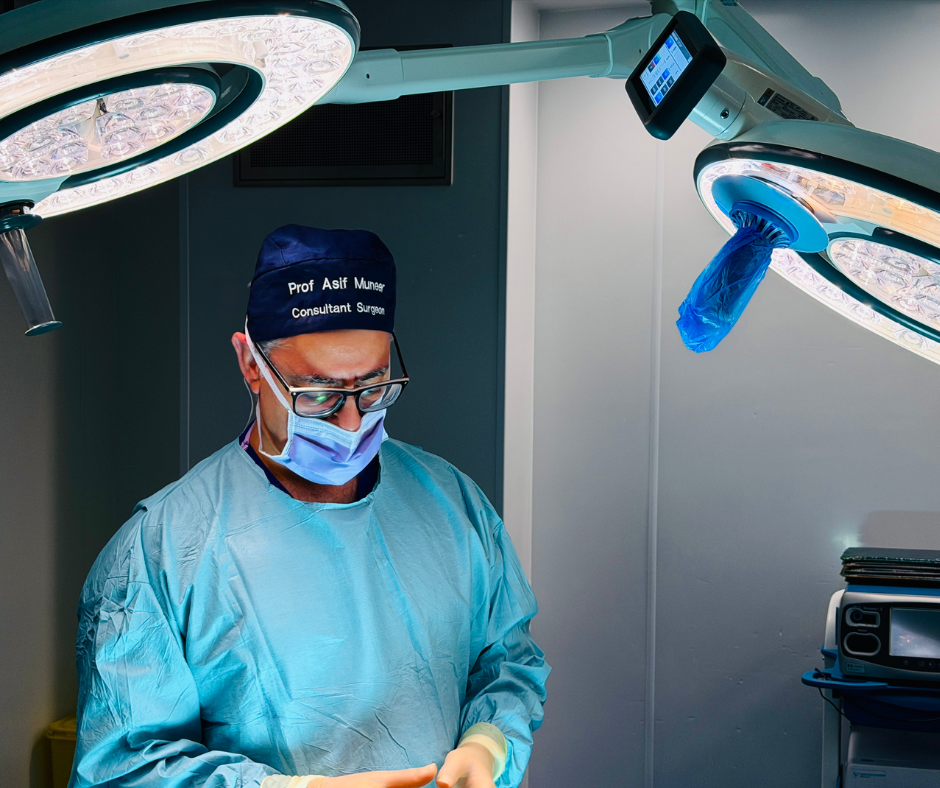
Professor Asif Muneer is an award-winning, internationally recognised andrologist with 30+ years of experience.
- Advanced Technology — Cutting-edge diagnostics and treatments
- Comprehensive Care — Personalised support from start to finish
- Holistic Approach — Focused on long-term men’s health and well-being
Why Seek Treatment for Testicular Lumps?
Prompt evaluation of a testicular lump is essential to:
- Rule out cancer: Early detection of testicular cancer ensures a cure rate above 95%.
- Relieve symptoms: Benign conditions like hydroceles or varicoceles may cause discomfort or cosmetic concerns, treatable with surgery if needed.
- Prevent complications: Conditions like torsion require immediate surgery to save the testicle, while untreated infections can lead to chronic issues.
- Ease anxiety: A clear diagnosis provides peace of mind.
Delaying assessment can risk progression of serious conditions. At Harley Street Andrology, we offer fast-track evaluations to address your concerns swiftly.
Advanced Diagnosis and Treatment at Harley Street Andrology
We provide comprehensive diagnostics and tailored treatments for testicular lumps, ensuring the highest standard of care.
Diagnosis
- Consultation: We’ll discuss your symptoms, medical history, and risk factors (e.g., undescended testicles, infertility, or prior infections).
- Physical Exam: A thorough scrotal examination assesses the lump’s location, size, and characteristics.
- Tests:
- Ultrasound: Differentiates benign from cancerous swellings with high accuracy.
- Blood tests: Tumor markers (e.g., AFP, hCG) for suspected cancer.
- CT scan: If cancer is suspected, to check for spread.
Treatment Options
- Cystic Swellings:
- Observation: Benign hydroceles, epididymal cysts, or varicoceles often require no treatment unless symptomatic.
- Surgery: Hydrocele repair, epididymal cyst excision, or varicocele treatment (microsurgical varicocele ligation or radiological embolisation) for significant symptoms.
- Inflammatory Swellings:
- Antibiotics: For epididymitis, tailored to the infection source (e.g., urinary or sexually acquired).
- Emergency surgery: For testicular torsion, to untwist and secure the testicle.
- Testicular Cancer:
- Orchidectomy: Surgical removal of the affected testicle, with an option for a prosthetic testicle during or after the surgery.
- Following surgery: Surveillance or chemotherapy guided by the pathology, tumour markers, and CT imaging. Follow up is coordinated with a medical oncologist specialising in testicular cancer and treatment plans are discussed within a multidisciplinary team meeting (MDT meeting).
- Other Testicular Lesions:
- Antibiotics: For rare infections like tuberculosis.
- Small indeterminate testis lesions: These are small lesions in the testicle often detected incidentally. Professor Muneer offers ultrasound localised excision of the lesions so that the testicle can be preserved.
- Surgical excision: For symptomatic sperm granulomas or chronic epididymal nodules.
Professor Asif Muneer, ensures an accurate diagnosis and personalised treatment plan, prioritising your health and ensuring preservation of fertility and hormone function.
Testicular Lump Treatment Costs in London
Treatments at private clinics in London typically depend on the procedure and anaesthesia. Contact us for further details.
Contact us
Restore your confidence & fertility with London’s leading andrology expert
+44 207 034 8464
Mon–Fri: 09:00–19:00
16 Devonshire St, London W1G 7AF