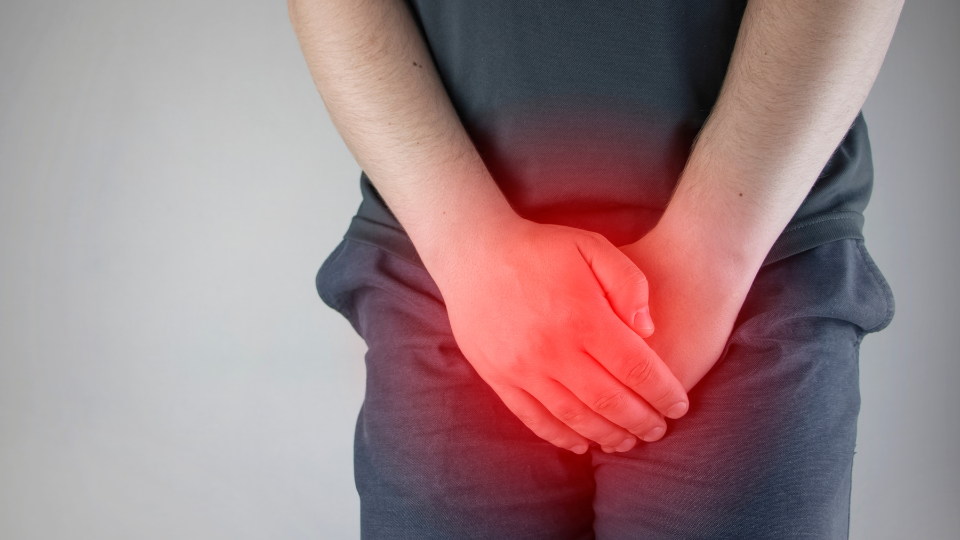
Are you experiencing pelvic pain, urinary difficulties, or discomfort during ejaculation? These could be signs of prostatitis, a common condition affecting men of all ages.
At Harley Street Andrology, we offer advanced diagnostics and personalised treatments to relieve symptoms and restore your quality of life. Led by Professor Asif Muneer, a globally recognised andrologist, our clinic provides world-class care for men in London, the UK, and beyond.
In this blog, we’ll explore what prostatitis is, its causes and symptoms, and why Harley Street Andrology is your trusted choice for effective treatment.
What is Prostatitis?
Prostatitis is inflammation of the prostate gland, a walnut-sized organ below the bladder that produces seminal fluid. It’s the most common urological issue in men under 50 and the third most common in men over 50, accounting for 3–12% of urology outpatient visits. The condition affects men of all ages and has a worldwide prevalence, but its causes are not fully understood.
Prostatitis is classified into several types:
- Acute bacterial prostatitis: A sudden infection causing severe symptoms.
- Chronic bacterial prostatitis: Recurrent infections, often linked to urinary tract infections (UTIs).
- Chronic pelvic pain syndrome (CPPS): Chronic pain without clear infection, divided into inflammatory (IIIa) and non-inflammatory (IIIb) types.
At Harley Street Andrology, we use cutting-edge diagnostics to identify the type of prostatitis and tailor treatment to your needs.
Common Symptoms and Causes of Prostatitis
Prostatitis symptoms vary by type but can significantly impact daily life. Common signs include:
- Acute bacterial prostatitis:
- Severe pelvic or perineal pain.
- Mixed lower urinary tract symptoms (LUTS), such as frequent or painful urination.
- Systemic symptoms like fever, chills, or malaise.
- Chronic bacterial prostatitis:
- Recurrent UTIs with periods of symptom-free intervals.
- Milder pelvic discomfort between episodes.
- Chronic pelvic pain syndrome (CPPS):
- Persistent pain in the perineum, suprapubic area, groin, testes, penis, or lower back.
- Pain during ejaculation (a hallmark symptom).
- Mixed LUTS, such as urgency or weak urine stream.
- Occasional erectile dysfunction or psychosexual issues.
Possible causes include:
- Bacterial infection: Common pathogens include E. coli (65–80%), Pseudomonas, Klebsiella, Proteus, Enterococcus (5–10%), and occasionally Chlamydia or Ureaplasma.
- Intraprostatic ductal reflux: Urine reflux into the prostate may contribute, with corpora amylacea (prostate concretions) potentially harboring bacteria.
- Risk factors: UTIs, epididymitis, bladder outflow obstruction, transurethral surgery, indwelling catheters, unprotected anal intercourse, or genetic predisposition.
- Non-infectious CPPS: Likely driven by a cascade of inflammatory, immunologic, neuroendocrine, and neuropathic mechanisms, possibly autoimmune in nature.
Why Choose Harley Street Andrology?
Professor Asif Muneer is an award-winning, internationally recognised andrologist with 30+ years of experience.
- Advanced Technology — Cutting-edge diagnostics and treatments
- Comprehensive Care — Personalised support from start to finish
- Holistic Approach — Focused on long-term men’s health and well-being

Why Seek Treatment for Prostatitis?
Prostatitis can disrupt your comfort, sexual health, and overall well-being. Without treatment, you may face:
- Persistent pain: Chronic discomfort can affect daily activities and mental health.
- Recurrent infections: Chronic bacterial prostatitis can lead to repeated UTIs.
- Complications: About 5% of acute bacterial prostatitis cases progress to chronic infection, and untreated infections may cause prostate abscesses.
Timely treatment can alleviate symptoms, prevent complications, and improve your quality of life.
At Harley Street Andrology, we focus on addressing the root cause and tailoring solutions to your specific condition.
What to Expect During Prostatitis Treatment
Before the Procedure
- Consultation: We’ll discuss your symptoms, lifestyle, and medical history, including any history of UTIs or sexual practices.
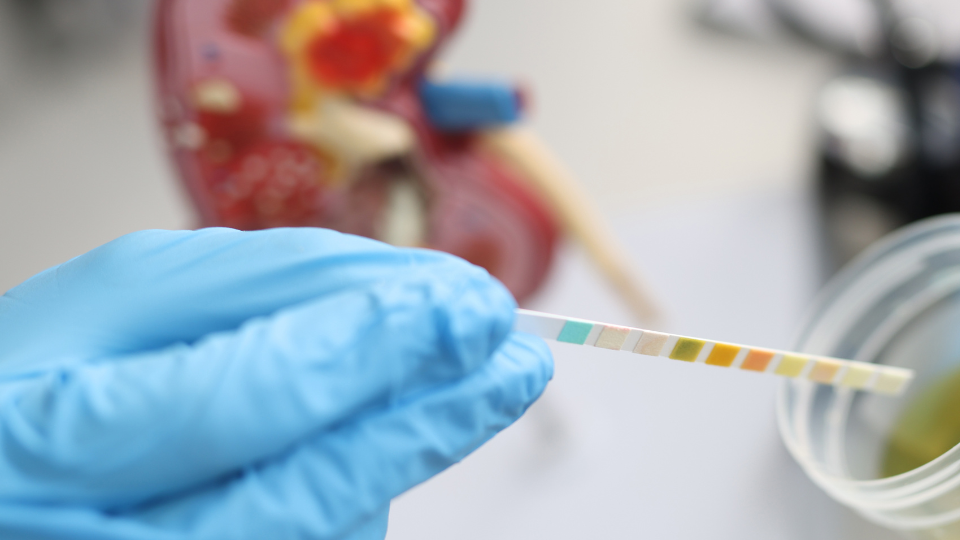
- Diagnostics: Tests like the 2-glass test or TRUS confirm the diagnosis and guide treatment.
During the Procedure
- Non-surgical: Medications are prescribed with clear instructions for use and follow-up.
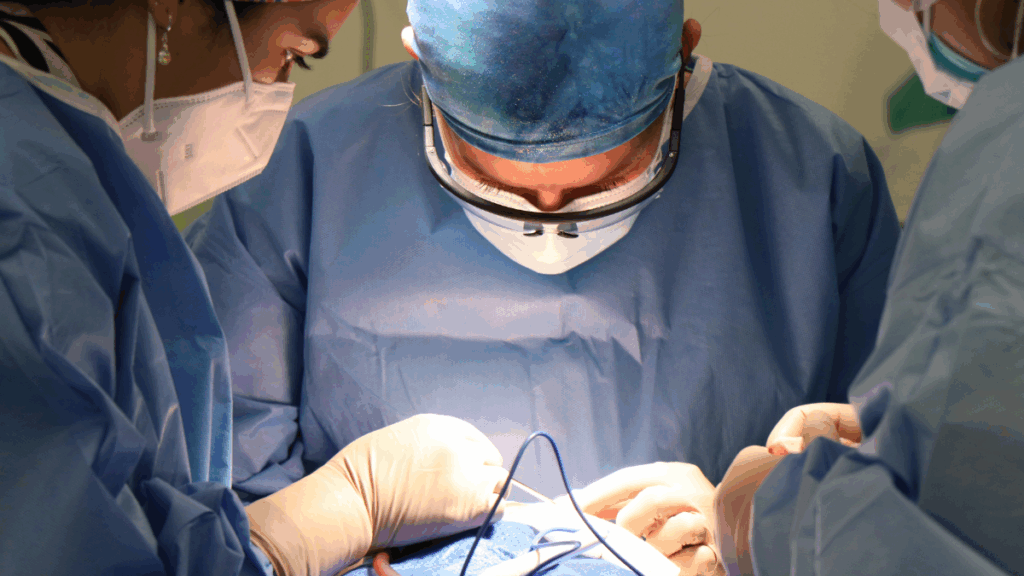
- Surgical (rare): Procedures like TUR for abscesses are performed under anaesthesia, typically as a day case or with a short hospital stay.
After the Procedure
- Recovery: Mild discomfort may persist, managed with pain relief or supportive measures like scrotal support for referred pain.
- Activity: Avoid strenuous activity for 1–2 weeks during antibiotic treatment or post-procedure recovery.
- Follow-up: Regular check-ups monitor symptom improvement and adjust treatment as needed.
Risks and Complications
Prostatitis treatments are generally safe, but potential risks include:
- Antibiotic side effects: Gastrointestinal upset or allergic reactions (rare).
- Chronic symptoms: About 5% of acute cases progress to chronic bacterial prostatitis.
- Persistent CPPS: Symptoms may persist despite treatment, requiring multimodal therapy.
Our advanced diagnostics and tailored treatments minimise these risks, ensuring effective care.
Cost of Prostatitis in London
Prostatitis costs at private clinics in London typically depend on the procedure and anaesthesia. Contact us for further details.
Contact us
Restore your confidence & fertility with London’s leading andrology expert
+44 207 034 8464
Mon–Fri: 09:00–19:00
16 Devonshire St, London W1G 7AF